
Ronnie O’Sullivan Has Put an End to This Nonsense; His Wife Laila Rouass Says He Should Have Better Reasons…
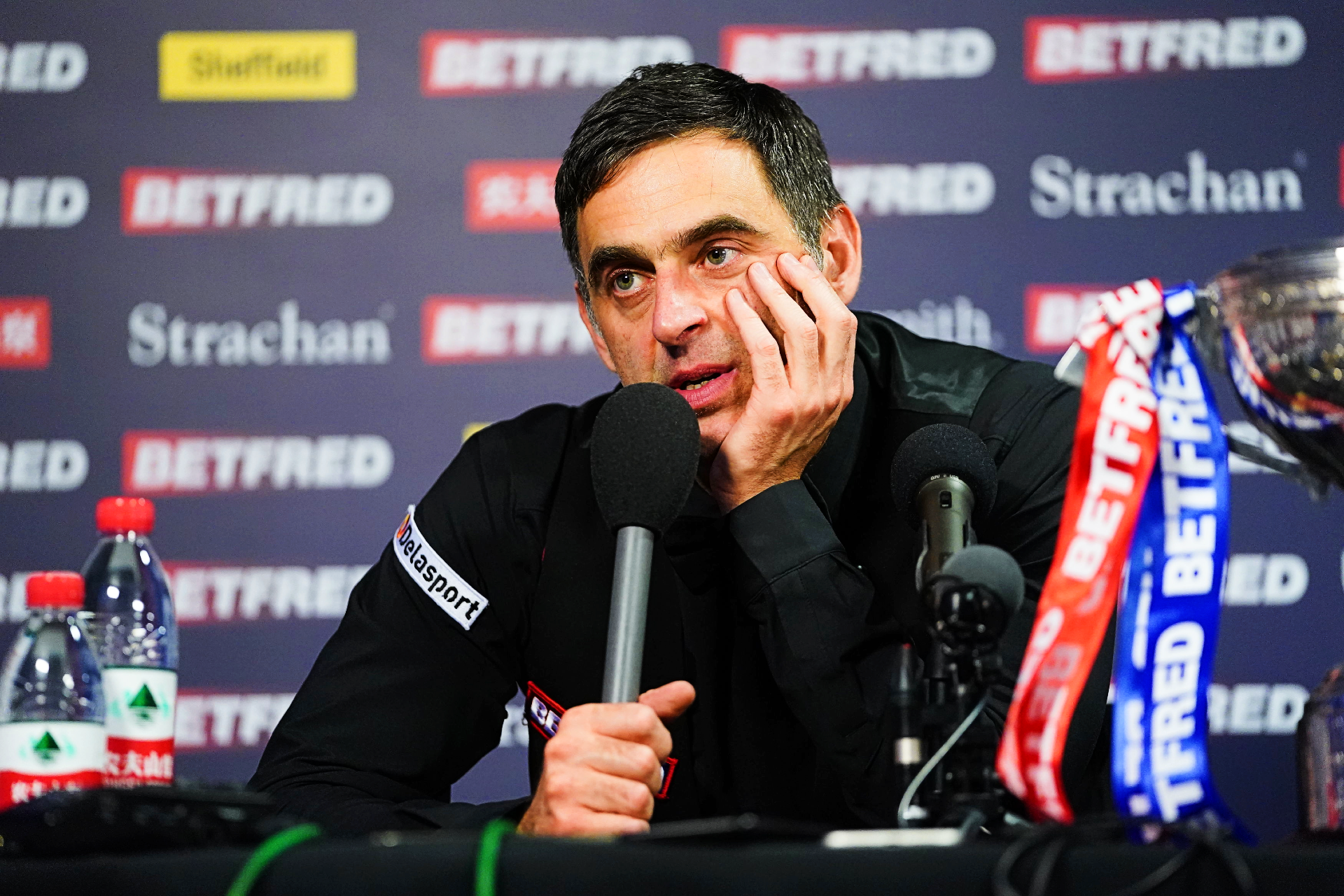
In the high-pressure world of professional snooker, few figures command as much attention—or controversy—as Ronnie O’Sullivan. A seven-time world champion and one of the most naturally gifted players the sport has ever seen, O’Sullivan has never been afraid to speak his mind. Now, he has drawn a firm line under what he views as unnecessary distractions and criticism, making it clear that he will no longer entertain what he calls “nonsense” surrounding his career choices and public persona.
For years, O’Sullivan has faced scrutiny not only for his performances but also for his candid interviews, selective tournament entries, and occasional breaks from the sport. Some critics have labeled his decisions inconsistent or unpredictable. But to O’Sullivan, the issue is simple: he is prioritizing his well-being and longevity in a sport that has demanded extraordinary mental resilience from him since his teenage years.
By declaring an end to the “nonsense,” O’Sullivan is sending a broader message about athlete autonomy. In an era when sports stars are constantly analyzed, judged, and dissected across social media and 24-hour news cycles, his stance represents a refusal to be boxed in by external expectations. He is asserting control over his narrative—choosing when to compete, when to rest, and when to speak out.
Yet at home, the conversation is more nuanced. His wife, actress Laila Rouass, has reportedly urged him to ensure that his decisions are driven by clear, constructive reasons rather than frustration alone. Rouass, known for her thoughtful public commentary, understands the pressures of public life. Her perspective adds an important layer: while shutting down negativity can be empowering, it is equally vital to ground major decisions in purpose rather than emotion.
This dynamic between O’Sullivan’s defiance and Rouass’s pragmatism underscores why the situation matters. It is not merely about one player’s media strategy; it reflects the broader challenge faced by elite performers balancing passion, pressure, and personal happiness. O’Sullivan’s career has been marked by brilliance intertwined with battles—against opponents, expectations, and at times himself. His willingness to reject narratives he finds reductive signals maturity and self-awareness.
At the same time, Rouass’s call for “better reasons” highlights the importance of long-term thinking. Great champions are remembered not only for their titles but also for the legacy they shape through their decisions. If O’Sullivan’s latest stance is rooted in clarity and conviction, it could reinforce his reputation as a trailblazer who redefined what it means to be a modern athlete.
Ultimately, why it matters goes beyond snooker. It is about setting boundaries in a hypercritical culture, about choosing intention over impulse, and about recognizing that even legends benefit from grounded advice at home. In that balance lies the real victory.
Leave a Reply