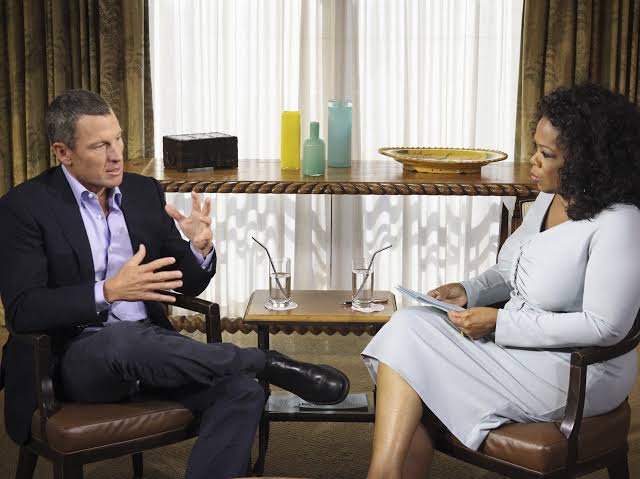
For over a decade, Lance Armstrong stood as a symbol of strength, resilience, and the will to overcome. After beating cancer and winning the Tour de France seven consecutive times, he was celebrated globally—not just as an athlete, but as a hero. Yet underneath the accolades lay a web of deception. Despite persistent allegations and damning circumstantial evidence, Armstrong vehemently denied using performance-enhancing drugs (PEDs). So why, after years of defiance, did he finally admit to doping?
The timing of Armstrong’s confession in 2013—during a televised interview with Oprah Winfrey—was not a sudden act of remorse but a calculated move. Years of legal battles, media investigations, and mounting testimonies from former teammates had cornered him. The United States Anti-Doping Agency (USADA) had issued a lifetime ban from competitive cycling and stripped him of his Tour de France titles. His public image was in shambles, and key sponsors like Nike had dropped him. The empire he built was collapsing.
But more than a moral reckoning, Armstrong’s confession was likely motivated by legal and financial pressures. Facing potential lawsuits from sponsors and whistleblowers, an admission of guilt could pave the way for negotiated settlements. For instance, the federal government had joined a $100 million whistleblower lawsuit brought by Floyd Landis, a former teammate. Admitting guilt could reduce penalties or demonstrate cooperation, improving Armstrong’s legal standing. In other words, it wasn’t just about telling the truth—it was about damage control.
Armstrong’s decision also reflects a broader trend among disgraced public figures: when denial is no longer credible, a strategic confession can be spun as a first step toward redemption. By controlling the narrative through a high-profile interview, Armstrong attempted to regain some sympathy from the public. The Oprah interview allowed him to appear vulnerable and introspective, offering a version of the truth on his own terms. For many, this was too little, too late. But for Armstrong, it was a necessary pivot from defiant denial to reluctant acceptance.
Another factor may have been personal legacy. Armstrong built his name not just through athletic success, but through his Livestrong Foundation, which raised millions for cancer support. The scandal didn’t just tarnish his name—it threatened to overshadow the foundation’s work. Coming clean, even partially, may have been an effort to separate his wrongdoing from his philanthropic contributions and to preserve some legacy.
Ultimately, Armstrong’s confession wasn’t born out of a sudden moral awakening, but from immense pressure—legal, financial, and reputational. His admission marked the end of one of the most elaborate doping cover-ups in sports history, and it serves as a cautionary tale: in the age of relentless scrutiny, the truth often emerges, even from the most defiant of liars.
So why did Armstrong finally admit to doping? Because he had no other choice. In the court of public opinion and the halls of justice, denial was no longer an option. Confession became the only deal left on the table.
Leave a Reply